The FHWA Drilled Shaft Manual provides comprehensive guidance on construction and design methods for drilled shaft foundations‚ serving as a key resource for transportation structure engineers nationwide.
1.1 Overview of the Manual
The FHWA Drilled Shaft Manual is a comprehensive resource that details construction procedures and LRFD design methods for drilled shaft foundations. It serves as a primary reference for engineers involved in transportation structures‚ providing in-depth guidance on subsurface investigations‚ geotechnical analysis‚ and structural design requirements. The manual is divided into volumes‚ with Volume I focusing on construction practices and Volume II addressing LRFD design methodologies. It also incorporates Geotechnical Engineering Circular No. 10‚ offering practical insights for field applications. This manual is widely used in NHI training courses‚ ensuring engineers are well-equipped to design and construct drilled shafts efficiently and safely. Its content is tailored to meet the needs of modern transportation infrastructure projects.

1.2 Purpose and Scope
The FHWA Drilled Shaft Manual is designed to provide engineers with a detailed technical resource for the selection‚ design‚ and construction of drilled shaft foundations. Its primary purpose is to ensure that drilled shafts are constructed safely and efficiently‚ meeting the demands of modern transportation infrastructure. The manual covers a wide range of topics‚ including construction procedures‚ LRFD design methods‚ and geotechnical considerations. It serves as both a reference guide and a training tool‚ supporting the NHI course on drilled shafts. The scope includes subsurface investigations‚ load capacity calculations‚ and quality control measures‚ making it an essential resource for engineers working on transportation structures.
1.3 Target Audience
The FHWA Drilled Shaft Manual is primarily intended for civil and geotechnical engineers involved in the design and construction of transportation structures. It serves as a critical resource for professionals responsible for selecting and designing drilled shaft foundations. The manual is also beneficial for construction personnel‚ project managers‚ and state Department of Transportation (DOT) engineers. Additionally‚ it is used as a reference text for the National Highway Institute (NHI) training course on drilled shafts‚ making it essential for engineers seeking to enhance their knowledge and skills in this specialized field. The content is tailored to meet the needs of both experienced practitioners and those new to drilled shaft design and construction.
Key Components of the FHWA Drilled Shaft Manual
The manual includes Volume I on construction procedures‚ Volume II on LRFD design methods‚ and Geotechnical Engineering Circular No. 10‚ providing a detailed technical framework.
2.1 Volume I: Construction Procedures
Volume I of the FHWA Drilled Shaft Manual focuses on construction procedures‚ detailing site preparation‚ drilling methods‚ and concrete placement. It provides practical guidance on equipment selection‚ safety measures‚ and quality control‚ ensuring compliance with industry standards. This section is essential for engineers and contractors involved in drilled shaft projects‚ offering step-by-step instructions and best practices. By adhering to these procedures‚ professionals can achieve durable and reliable foundations for transportation structures. The manual also serves as a reference for the NHI training course‚ emphasizing real-world applications and adherence to FHWA guidelines. Its comprehensive approach ensures that construction processes are both efficient and structurally sound.
2.2 Volume II: LRFD Design Methods
Volume II of the FHWA Drilled Shaft Manual focuses on Load and Resistance Factor Design (LRFD) methods‚ providing detailed guidance for engineers designing drilled shafts. It covers axial load capacity‚ lateral load resistance‚ and group pile design considerations. The manual incorporates advanced geotechnical engineering principles and soil-structure interaction analysis. Design examples and case studies are included to illustrate practical applications. This volume serves as a critical resource for ensuring drilled shafts meet structural integrity and safety requirements under various loading conditions. It aligns with current engineering practices and standards‚ making it indispensable for professionals involved in transportation structure design. The manual also supports the NHI training course on drilled shafts.
2.3 Geotechnical Engineering Circular No. 10
Geotechnical Engineering Circular No. 10 is a key component of the FHWA Drilled Shaft Manual‚ focusing on design and construction of drilled shafts for transportation structures. It provides in-depth guidance on axial and lateral load capacities‚ soil-structure interaction‚ and construction procedures. The circular emphasizes the importance of geotechnical investigations and data interpretation for foundation design. It serves as a primary reference for engineers‚ aligning with the NHI training course on drilled shafts. This resource ensures that designs are both efficient and safe‚ adhering to current engineering standards and practices. It is widely regarded as an essential tool for professionals in geotechnical and structural engineering fields.

Construction Procedures for Drilled Shafts
The FHWA manual provides a comprehensive guide on drilled shaft construction‚ covering site preparation‚ drilling methods‚ concrete placement‚ and quality control measures to ensure structural integrity and safety.
3.1 Site Preparation and Safety Measures
Site preparation is critical for drilled shaft construction‚ involving clearing the area‚ establishing layout‚ and ensuring access roads are stable. Safety measures include implementing hazard controls‚ personal protective equipment (PPE)‚ and regular equipment inspections. The FHWA manual emphasizes adherence to OSHA standards‚ proper signage‚ and emergency response planning. Environmental controls‚ such as erosion prevention and dust management‚ are also addressed to minimize ecological impact. Additionally‚ the manual outlines procedures for handling utilities and underground obstructions‚ ensuring a safe working environment. These measures collectively ensure efficient and secure construction processes‚ aligning with industry best practices and regulatory requirements. Proper planning and execution are essential for project success.
3.2 Drilling Methods and Equipment
Drilling methods for drilled shafts include rotary wash boring‚ casing advancement‚ and auger drilling‚ each suited for specific soil conditions. The FHWA manual details equipment such as drill rigs‚ casing systems‚ and drilling tools. Proper equipment selection ensures efficient drilling and minimizes soil disturbance. The manual also covers techniques for handling varying soil types‚ from cohesive clays to granular soils. Regular maintenance of drilling equipment is emphasized to prevent downtime and ensure accuracy. Safety protocols for equipment operation are highlighted‚ aligning with industry standards. These methods and tools are essential for achieving the required shaft diameter and depth‚ ensuring structural integrity and performance.
3.3 Concrete Placement and Curing
Proper concrete placement and curing are critical for the structural integrity of drilled shafts. The FHWA manual outlines methods such as tremie pipes for placing concrete under slurry or water‚ ensuring minimal segregation. Concrete must be placed continuously to avoid cold joints‚ with slump testing conducted to verify workability. Curing involves applying compounds to retain moisture and control temperature‚ preventing shrinkage cracks. The manual emphasizes monitoring curing conditions‚ such as maintaining adequate humidity and temperature ranges‚ to achieve optimal strength development. These steps ensure the concrete achieves its design strength and durability‚ which are essential for the long-term performance of drilled shafts in transportation structures.
3.4 Quality Control and Assurance
Quality control and assurance are essential for ensuring the integrity and performance of drilled shafts. The FHWA manual outlines rigorous inspection procedures‚ including verification of drilling depths‚ shaft diameters‚ and concrete placement. Testing methods such as slump tests‚ concrete cylinder tests‚ and sonic logging are recommended to verify material quality and placement accuracy. Documentation of all activities‚ from drilling to curing‚ is emphasized to maintain accountability and traceability. Non-destructive testing techniques are also highlighted to assess shaft integrity without causing damage. Adherence to these quality control measures ensures compliance with design specifications and enhances the reliability of drilled shafts in transportation structures. Proper documentation and testing protocols are critical for long-term performance.
LRFD Design Methods for Drilled Shafts
The FHWA manual provides detailed LRFD design methods for drilled shafts‚ focusing on axial and lateral load capacities‚ and group pile design considerations for transportation structures.
4.1 Load and Resistance Factor Design (LRFD) Basics
The FHWA Drilled Shaft Manual introduces LRFD as a reliability-based design approach‚ emphasizing the balance between load effects and resistance. It defines loads (dead‚ live‚ seismic) and resistances (shaft‚ base‚ side)‚ incorporating partial factors for uncertainty. The manual aligns with AASHTO standards‚ ensuring consistent design practices. Engineers learn to apply LRFD principles for axial and lateral loads‚ considering soil-structure interaction. This section provides foundational knowledge‚ enabling engineers to design drilled shafts with enhanced safety and efficiency‚ supported by examples and case studies. It serves as a critical starting point for mastering LRFD applications in transportation structures.
4.2 Axial Load Capacity Design
Axial load capacity design is a critical component of the FHWA Drilled Shaft Manual‚ focusing on determining the maximum axial loads drilled shafts can sustain. The manual outlines methods to calculate both ultimate and service load capacities‚ considering soil properties and shaft dimensions. It emphasizes the use of soil resistance factors and shaft resistance components‚ such as side friction and base resistance. The design process incorporates subsurface investigation data and load test results to ensure accuracy. Engineers are guided to apply LRFD principles‚ ensuring safety and efficiency. Practical examples and case studies are provided to illustrate the application of these methods in real-world scenarios for transportation structures.

4.3 Lateral Load Capacity Design

The FHWA Drilled Shaft Manual provides detailed guidance on designing drilled shafts for lateral load capacity‚ essential for structures subjected to horizontal forces like wind or seismic activity. The manual outlines methods to analyze lateral load-deflection behavior‚ emphasizing the use of p-y curve analysis to model soil-structure interaction. Engineers are instructed to consider soil properties‚ shaft dimensions‚ and load cases to determine lateral capacity. Design steps include calculating flexural rigidity‚ evaluating soil resistance‚ and ensuring shaft stability under extreme loads. The manual aligns with LRFD principles‚ ensuring safety and efficiency in design. Practical examples and case studies illustrate the application of these methods for transportation structures.
4.4 Group Pile Design Considerations
Group pile design is a critical aspect of the FHWA Drilled Shaft Manual‚ addressing the behavior of multiple drilled shafts acting collectively under various loads. The manual emphasizes understanding interaction effects between shafts and surrounding soil‚ which influence load distribution and capacity. Design considerations include shaft spacing‚ alignment‚ and structural integrity to ensure uniform load transfer. Engineers are guided to account for group efficiency‚ soil stiffness‚ and potential settlement. The manual also provides LRFD-based methods to evaluate group pile performance‚ ensuring safety and efficiency. Practical examples and case studies illustrate optimal design practices for transportation structures‚ aligning with current engineering standards and construction practices.
Applications of Drilled Shafts in Transportation Structures
Drilled shafts are widely used in transportation structures for bridge foundations‚ high mast lighting‚ and sign structures‚ providing stable support for heavy loads and ensuring durability.
5.1 Bridge Foundations
Drilled shafts are extensively utilized as bridge foundations due to their ability to transfer heavy structural loads to deeper‚ more stable soil or rock layers. Their deep embedment ensures stability under axial and lateral loads‚ making them ideal for large bridges. The FHWA manual details construction procedures and LRFD design methods specific to bridge applications‚ emphasizing geotechnical investigations and load capacity calculations. Engineers rely on these guidelines to ensure durability and safety in bridge construction‚ with the manual serving as a primary resource for the NHI training course on drilled shafts. This section highlights best practices for designing and constructing drilled shafts in bridge foundations.
5.2 High Mast Lighting and Sign Structures
Drilled shafts are widely used for high mast lighting and sign structures due to their ability to resist lateral loads and provide stable foundations for tall structures. These applications require deep foundations to ensure the stability of heavy masts and signs‚ which are often exposed to significant wind forces. The FHWA manual provides specific design and construction guidelines for such structures‚ emphasizing the importance of geotechnical investigations and load resistance. Engineers use LRFD methods to calculate axial and lateral load capacities‚ ensuring the safety and durability of these critical transportation features. This section focuses on the unique challenges and solutions for drilled shafts in high mast and sign applications.
5.3 Retaining Walls and Earth Structures
Drilled shafts are increasingly used in retaining walls and earth structures to provide deep foundation support‚ especially in challenging soil conditions. The FHWA manual details their application in such scenarios‚ emphasizing design considerations for lateral load capacity and soil-structure interaction. These foundations are particularly effective in retaining walls where high lateral loads are present‚ ensuring stability and preventing movement. The manual also addresses construction techniques and geotechnical parameters critical for these applications‚ offering engineers practical guidance to optimize performance and safety. This section underscores the versatility of drilled shafts in supporting complex earth structures‚ making them a reliable choice for modern transportation infrastructure.
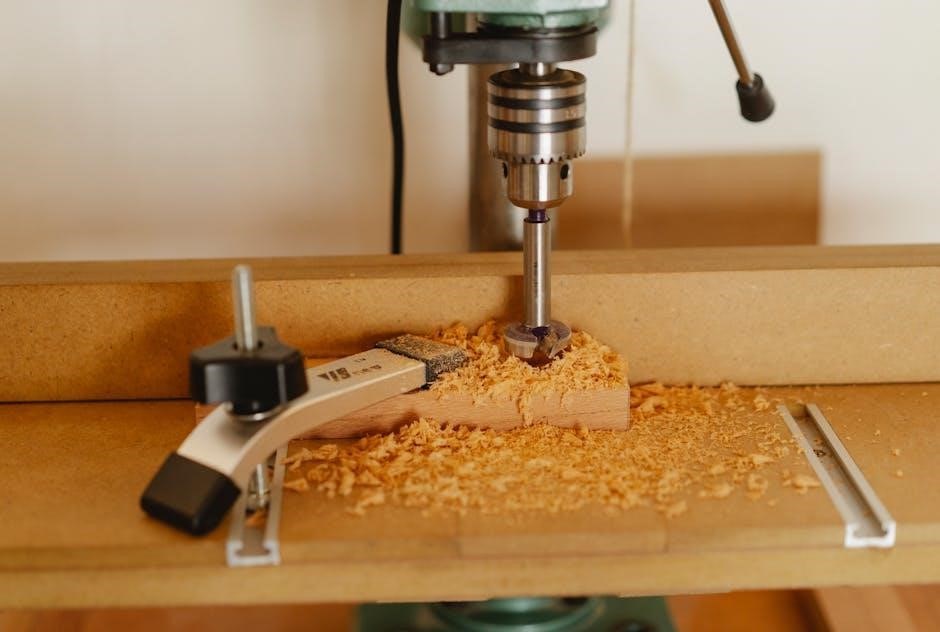

Subsurface Investigation for Drilled Shafts
The FHWA manual provides detailed guidance on subsurface investigations‚ emphasizing field exploration methods‚ laboratory testing‚ and geotechnical data interpretation to ensure reliable foundation design and construction.
6.1 Planning and Scope of Investigation
The FHWA manual emphasizes the importance of thorough planning and scoping in subsurface investigations to ensure accurate site characterization. This phase involves defining the investigation’s objectives‚ identifying data requirements‚ and selecting appropriate methods to gather geotechnical information. Proper planning ensures that the collected data aligns with the design and construction needs of drilled shafts. The manual highlights the role of site-specific conditions‚ such as soil variability and groundwater levels‚ in shaping the investigation’s scope. Additionally‚ it underscores the integration of field exploration‚ laboratory testing‚ and data interpretation to provide a comprehensive understanding of subsurface conditions‚ critical for reliable foundation design and construction.
6.2 Field Exploration Methods
Field exploration methods are essential for obtaining accurate subsurface data‚ crucial for drilled shaft design. The FHWA manual outlines techniques such as borings‚ Standard Penetration Tests (SPT)‚ and Cone Penetration Tests (CPT) to assess soil and rock properties. These methods help determine soil stratigraphy‚ strength parameters‚ and groundwater conditions. Borings provide soil samples for laboratory testing‚ while in-situ tests like SPT and CPT offer real-time data on soil behavior. The manual emphasizes the importance of selecting the right exploration method based on site-specific conditions to ensure reliable data for foundation design. Proper field exploration ensures that drilled shafts are constructed safely and efficiently‚ meeting project requirements.
6.3 Laboratory Testing and Analysis
Laboratory testing and analysis are critical for determining soil and rock properties essential for drilled shaft design. The FHWA manual outlines procedures for testing samples collected during field exploration‚ including soil classification‚ strength parameters‚ and deformation characteristics. Tests such as unconfined compression strength‚ direct shear‚ and triaxial tests are commonly used to evaluate soil behavior under various loads. These results are analyzed to assess the geotechnical properties necessary for designing drilled shafts‚ ensuring they can withstand axial and lateral loads. The manual emphasizes the importance of accurate laboratory testing to validate field data and provide reliable inputs for structural design‚ ensuring the safety and efficiency of drilled shaft construction.
6.4 Interpretation of Geotechnical Data
The interpretation of geotechnical data is a critical step in designing drilled shafts‚ ensuring they meet structural and safety requirements. The FHWA manual provides guidelines for analyzing soil and rock properties‚ such as strength‚ stiffness‚ and density‚ derived from field and laboratory tests. This data is used to determine shaft dimensions‚ reinforcement needs‚ and load-bearing capacity. Engineers interpret boring logs‚ piezometer readings‚ and test results to assess subsurface conditions and potential challenges. Visual representations like charts and graphs aid in understanding soil behavior under various loads. Accurate interpretation ensures drilled shafts are designed to withstand axial and lateral stresses‚ optimizing performance and reliability in transportation structures.

National Highway Institute (NHI) Training Course
The NHI offers a comprehensive training course on drilled shafts‚ providing engineers with in-depth knowledge on design‚ construction‚ and geotechnical considerations‚ supported by the FHWA manual.
7.1 Course Objectives and Outline
The NHI training course on drilled shafts aims to equip engineers with advanced knowledge of design‚ construction‚ and geotechnical aspects. It covers LRFD methods‚ load capacity calculations‚ and construction best practices. The course includes hands-on activities‚ case studies‚ and group exercises to enhance practical understanding. Participants learn to interpret geotechnical data‚ assess site conditions‚ and apply modern engineering techniques. The curriculum is structured to address real-world challenges‚ ensuring engineers can design and construct drilled shafts efficiently and safely. The course outline is divided into modules‚ each focusing on specific topics‚ from foundational principles to complex design scenarios‚ ensuring a comprehensive learning experience.
7.2 Target Audience and Prerequisites
The NHI training course is designed for geotechnical and structural engineers‚ bridge designers‚ and construction professionals involved in drilled shaft projects. Participants should have a basic understanding of geotechnical engineering principles‚ foundation design‚ and LRFD concepts; Prior experience with transportation structures is beneficial but not required. The course is particularly suited for engineers responsible for selecting and designing drilled shaft foundations. Prerequisites include familiarity with soil mechanics and structural analysis. The manual serves as the primary reference‚ ensuring participants gain practical and theoretical knowledge to apply in real-world scenarios. This course is ideal for those seeking to enhance their expertise in drilled shaft design and construction.
7.3 Course Materials and Resources
The NHI training course provides comprehensive materials‚ including the FHWA Drilled Shaft Manual (FHWA-NHI-10-016)‚ which serves as the primary reference. This manual covers construction procedures‚ LRFD design methods‚ and applications for transportation structures. Additional resources include the Geotechnical Engineering Circular No. 10‚ offering in-depth design guidance. Participants receive detailed slides‚ design examples‚ and case studies to enhance learning. The course materials are designed to support both theoretical understanding and practical application‚ ensuring engineers can apply the knowledge directly to real-world projects. These resources are regularly updated to reflect current engineering practices and advancements in drilled shaft technology.

Design Considerations for Drilled Shafts
Design considerations for drilled shafts involve evaluating geotechnical parameters‚ structural requirements‚ and construction tolerances to ensure stability and load capacity‚ adhering to FHWA guidelines and standards.
8.1 Geotechnical Parameters and Soil Properties
Geotechnical parameters and soil properties are critical in designing drilled shafts‚ as they directly influence load capacity and structural integrity. Key factors include soil classification‚ effective stress‚ shear strength‚ and deformation modulus. Understanding these properties ensures proper selection of shaft diameter‚ depth‚ and reinforcement. Site-specific data from subsurface investigations guide the determination of these parameters‚ ensuring designs align with local soil conditions. Accurate interpretation of geotechnical data is essential for reliable LRFD calculations‚ particularly for axial and lateral load capacities. The FHWA manual emphasizes the importance of laboratory testing and in-situ measurements to validate soil properties‚ ensuring safe and efficient drilled shaft designs for transportation structures.
8.2 Structural Design Requirements
The FHWA Drilled Shaft Manual outlines structural design requirements to ensure drilled shafts meet safety and performance standards. It provides detailed criteria for load capacity‚ material specifications‚ and reinforcement detailing. The manual emphasizes the use of Load and Resistance Factor Design (LRFD) methods to account for axial and lateral loads. Designers must consider factors such as concrete strength‚ steel reinforcement ratios‚ and shaft diameter-to-depth ratios. Alignment with AASHTO LRFD Bridge Design Specifications is also highlighted. The manual ensures that structural designs are both constructible and durable‚ addressing potential risks like corrosion and environmental effects. These requirements are essential for achieving reliable and long-lasting drilled shaft foundations in transportation projects.
8.3 Construction Tolerances and Specifications
The FHWA Drilled Shaft Manual establishes strict construction tolerances and specifications to ensure the integrity and performance of drilled shafts. It provides guidelines for acceptable deviations in shaft alignment‚ plumbness‚ and diameter‚ as well as depth tolerances. Specifications for concrete placement‚ including slump limits and curing requirements‚ are detailed to prevent defects. The manual also addresses reinforcement cage fabrication and installation tolerances to maintain structural integrity. Quality control measures‚ such as monitoring drilling fluids and concrete testing‚ are emphasized to comply with design requirements. These specifications ensure that drilled shafts are constructed safely and durably‚ meeting the demands of transportation infrastructure projects.

Resources and References
The FHWA Drilled Shaft Manual references key publications‚ including FHWA-NHI-10-016 and Geotechnical Engineering Circular No. 10‚ alongside NHI course materials and additional geotechnical engineering resources.
9.1 FHWA Publications and Manuals
The FHWA provides essential publications for drilled shaft design and construction‚ including FHWA-NHI-10-016 and Geotechnical Engineering Circular No. 10. These resources offer detailed guidance on LRFD methods‚ construction procedures‚ and subsurface investigations. Engineers rely on these manuals for selecting and designing drilled shaft foundations‚ ensuring compliance with federal standards. The publications are regularly updated to reflect advancements in geotechnical engineering and construction practices. They serve as primary references for the NHI training course on drilled shafts‚ providing a comprehensive technical framework for transportation structure projects. These manuals are indispensable for professionals involved in bridge foundations‚ high mast lighting‚ and retaining walls.
9.2 NHI Course Materials
The National Highway Institute (NHI) offers comprehensive course materials for drilled shaft training‚ including the FHWA-NHI-10-016 manual and supplementary guides. These resources are designed to support engineers in understanding LRFD design methods and construction best practices. The materials cover topics such as axial and lateral load capacity‚ subsurface investigations‚ and quality control measures. Participants in the NHI course gain access to detailed manuals‚ case studies‚ and practical exercises. These materials are regularly updated to align with the latest advancements in geotechnical engineering. They provide engineers with the tools to design and construct drilled shafts efficiently‚ ensuring safety and compliance with federal standards.
9.3 Additional Geotechnical Engineering Resources
Beyond the FHWA manual‚ engineers can access supplementary resources like the Handbook on Design of Piles and Drilled Shafts Under Lateral Load and NCHRP reports. These publications provide in-depth analysis of lateral load design and deep foundation behavior. The National Technical Reports Library (NTIS) offers additional technical documents and research papers. Online platforms like TRID and NTIS catalog extensive geotechnical engineering literature‚ including case studies and innovative design approaches. These resources complement the FHWA manual‚ offering specialized knowledge for complex projects. They are invaluable for engineers seeking advanced methodologies or specific design challenges in drilled shaft construction and analysis.

